Asbestos Testing You Can Trust
Protecting Your Health, Your Property, and Your Peace of Mind
At All Clear, we provide certified asbestos and environmental testing services designed to identify hidden hazards before they become health problems or legal liabilities. Whether you’re renovating, buying, selling, or simply want peace of mind, professional asbestos testing is a smart and safe choice.
What Is Asbestos and Why Does It Matter?
Asbestos is a naturally occurring mineral once widely used in construction for its heat resistance and durability. Unfortunately, it’s also a known carcinogen. When disturbed, tiny fibers can be inhaled and may lead to:
- Asbestosis
- Lung cancer
- Mesothelioma
Because asbestos is not always visible, professional testing is essential.
🧪 What Is Asbestos Testing?
Asbestos testing is the process of identifying whether certain materials in a building contain asbestos fibers—a task that must be performed carefully and professionally to avoid disturbing potentially hazardous materials.
At All Clear, our asbestos testing is thorough, safe, and compliant with all local, state, and federal guidelines. Here’s what you can expect during the process:
🔍 1. Visual Inspection
We begin with a detailed walkthrough of the property to identify areas that may contain asbestos-containing materials (ACMs). This includes walls, ceilings, insulation, flooring, HVAC systems, and more—especially in buildings constructed before the late 1980s. Our trained inspectors look for telltale signs of aging or damaged materials that might require immediate attention.
🧤 2. Careful Sampling of Suspect Materials
If potential ACMs are found, we take discreet, small samples using industry-approved safety protocols. This prevents the release of fibers into the air and ensures the safety of occupants and our technicians. We follow strict containment and cleanup procedures to minimize any disruption.
🧬 3. Certified Laboratory Testing
Samples are sent to an accredited laboratory for Polarized Light Microscopy (PLM) or Transmission Electron Microscopy (TEM) testing, depending on the material and regulatory requirements. These labs provide precise results and identify not just the presence of asbestos, but the specific type and concentration of fibers.
📄 4. Clear Reporting and Recommendations
Once lab results are in, we compile a comprehensive report that includes:
- Sample locations and descriptions
- Laboratory findings and asbestos content
- Risk assessment based on condition and location
- Recommendations for next steps (monitoring, repair, or abatement)
We’ll walk you through the results, answer your questions, and explain what your options are—without upselling abatement services, since All Clear does not perform asbestos removal.
👥 Who Should Get Asbestos Testing?
Asbestos testing is not just for large buildings or industrial sites—it’s a vital safety measure for many types of property owners and decision-makers. If you fall into any of the following categories, you should seriously consider asbestos testing:
🏠 Homeowners
If you own a home—especially one built before the late 1980s—you may have materials that contain asbestos. Even if you’re not planning immediate renovations, understanding what’s in your home allows you to plan safely for the future and avoid accidental exposure.
🏡 Buyers and Sellers
Real estate transactions involving older properties benefit from asbestos testing. Buyers want to know what they’re inheriting, and sellers can show good faith and avoid liability by disclosing any asbestos-related issues upfront. A clean report can even add value and peace of mind.
🏢 Landlords and Property Managers
As the responsible party for tenant safety, you’re legally and ethically obligated to address potential hazards—including asbestos. Testing helps identify hidden risks before they become tenant complaints, legal liabilities, or expensive repairs.
🏫 Schools and Public Facilities
Many schools, libraries, and government buildings were built when asbestos was common. These structures often require regular inspections and documentation to comply with safety regulations. Testing protects children, staff, and the community.
👷 Contractors and Renovators
If you’re working on a remodel or demolition, you need to know whether you’re disturbing asbestos-containing materials. Testing is a smart pre-construction step—and in many places, it’s required by law. It also protects your crew and clients from unintentional exposure.
Where Asbestos Might Be Found
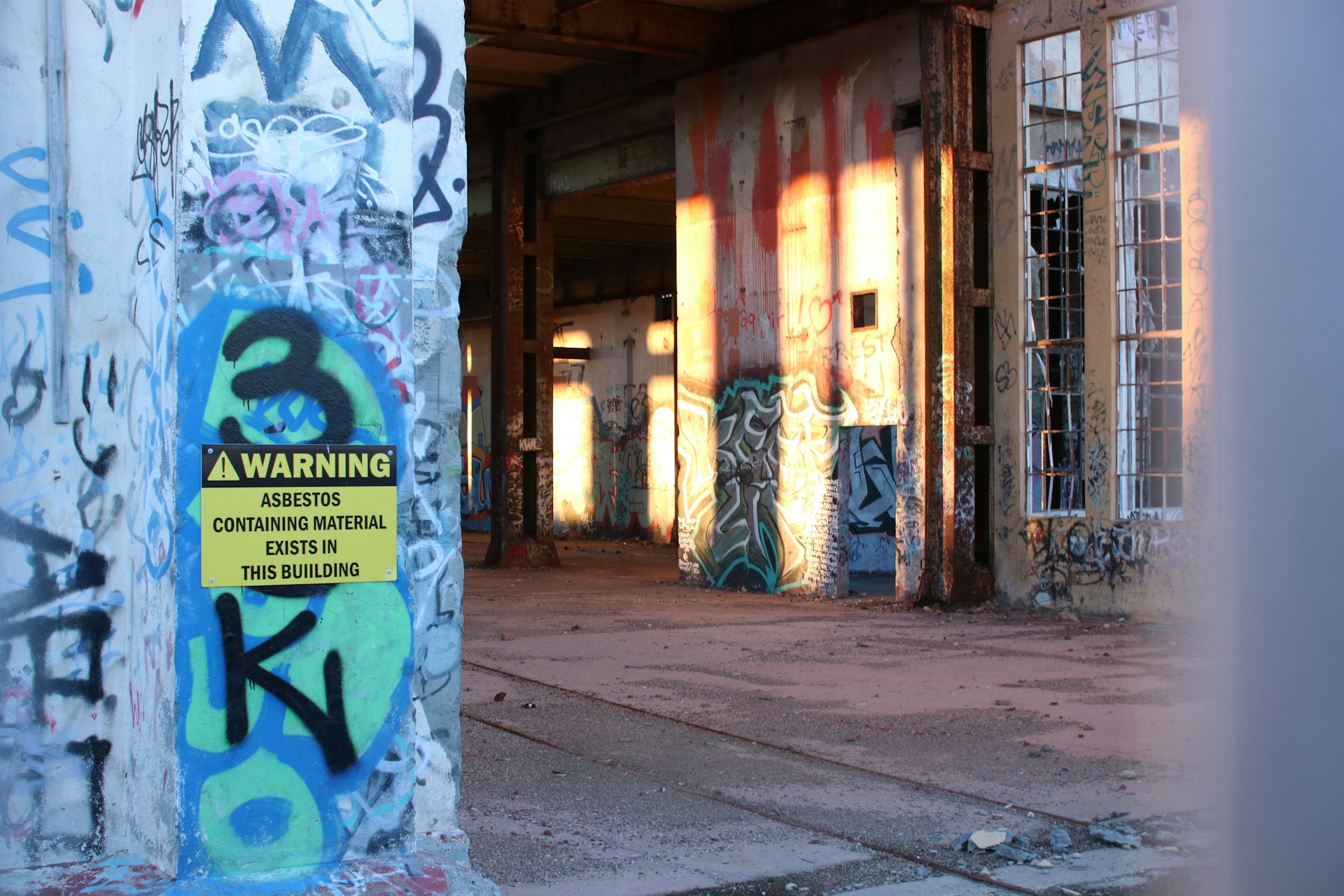
Asbestos was widely used in construction and insulation materials throughout the 20th century. Buildings constructed before the 1980s are especially likely to contain asbestos in various forms.
-
⚠️ When Should You Schedule Asbestos Testing?
There are several situations where asbestos testing isn’t just recommended—it’s essential. Whether you’re a homeowner, contractor, or property manager, testing ensures you stay compliant, avoid health risks, and make informed decisions. Here are the most common scenarios:
🛠️ Renovating or Demolishing an Older Building
If your building was constructed before the late 1980s, there’s a high chance it may contain asbestos in materials like insulation, tile adhesives, joint compounds, or roofing. Even minor renovations—like replacing flooring or tearing out a ceiling—can disturb asbestos and release harmful fibers into the air. Testing before work begins protects everyone involved and is often legally required.
🏡 Buying or Selling Property
Whether you’re purchasing an older home or preparing to sell one, asbestos testing can be a valuable part of the inspection process. Buyers want peace of mind, and sellers can avoid future liability by identifying any asbestos issues early. Testing adds transparency and builds trust in real estate transactions.
🏢 Managing Rental or Commercial Buildings
As a landlord or property manager, you have a duty to provide a safe environment for tenants, workers, and visitors. If your building was constructed before asbestos bans were in place, testing helps ensure compliance with health and safety regulations—and reduces the risk of future liability or lawsuits.
🧱 You’ve Found Damaged or Aging Materials
Crumbling insulation, cracked tiles, sagging ceiling panels, or exposed pipe wraps may all be signs of aging materials that could contain asbestos. If you see anything that looks suspicious, don’t touch it. Schedule professional testing immediately to determine whether remediation is necessary.
1. Popcorn Ceilings (Acoustic Ceilings)
Popular from the 1950s to the 1980s for their sound-dampening qualities, popcorn ceiling textures often contained asbestos to increase fire resistance and durability.
-
2. Floor Tiles and Adhesives
Vinyl tiles—especially 9″x9″ sizes—and the black mastic used to glue them down commonly contained asbestos. These materials were valued for being heat-resistant and long-lasting.
-
3. Drywall Joint Compound (Mud)
Used to seal seams and corners in drywall, joint compound often included asbestos fibers to improve strength. Sanding or damaging these walls may release asbestos fibers into the air.
-
4. Roofing Materials
Asbestos was commonly added to shingles, tar paper, flashing, and roofing felt for weatherproofing and fire resistance—especially in pre-1990s installations.
-
5. Pipe Insulation
Older hot water and steam pipes were frequently wrapped with asbestos insulation. Even if this insulation is now encased, wear and damage over time can release fibers.
-
6. Vermiculite Insulation
This lightweight, loose-fill insulation—typically found in attics—was often contaminated with asbestos, especially when sourced from Libby, Montana. It has a pebble-like texture and silvery-brown color.
If you suspect asbestos in your home or building, professional testing is the safest way to identify and manage it.
FAQs
Is asbestos testing required before renovation?
In many areas, yes—especially for buildings constructed before 1985. Check local regulations before starting any demolition or remodeling work.
Can I test for asbestos myself?
DIY kits can be unreliable and unsafe. Professional testing ensures proper sample handling and certified results.
What happens if asbestos is found?
We will guide you through the next steps. While we don’t remove asbestos, we can refer you to trusted abatement professionals.
Ready to Get Started?
To learn more about our testing services, including mold testing inspections and asbestos surveys,
click below, or contact us at (509) 951-6486.